Understanding Flooring Warranties: What Jacksonville Homeowners Need to Know
Introduction
Flooring warranties can be a maze of terms and conditions. For Jacksonville homeowners, understanding these warranties is crucial to ensure that your investment is protected. A warranty provides peace of mind, knowing that your new flooring is backed by a promise of quality and durability.
In this guide, I will unravel the complexities of flooring warranties, including what they cover, common exclusions, and how you can maximize your protection. Whether you’re considering hardwood, tile, or laminate, understanding these details can save you from unexpected costs down the road.
Types of Flooring Warranties
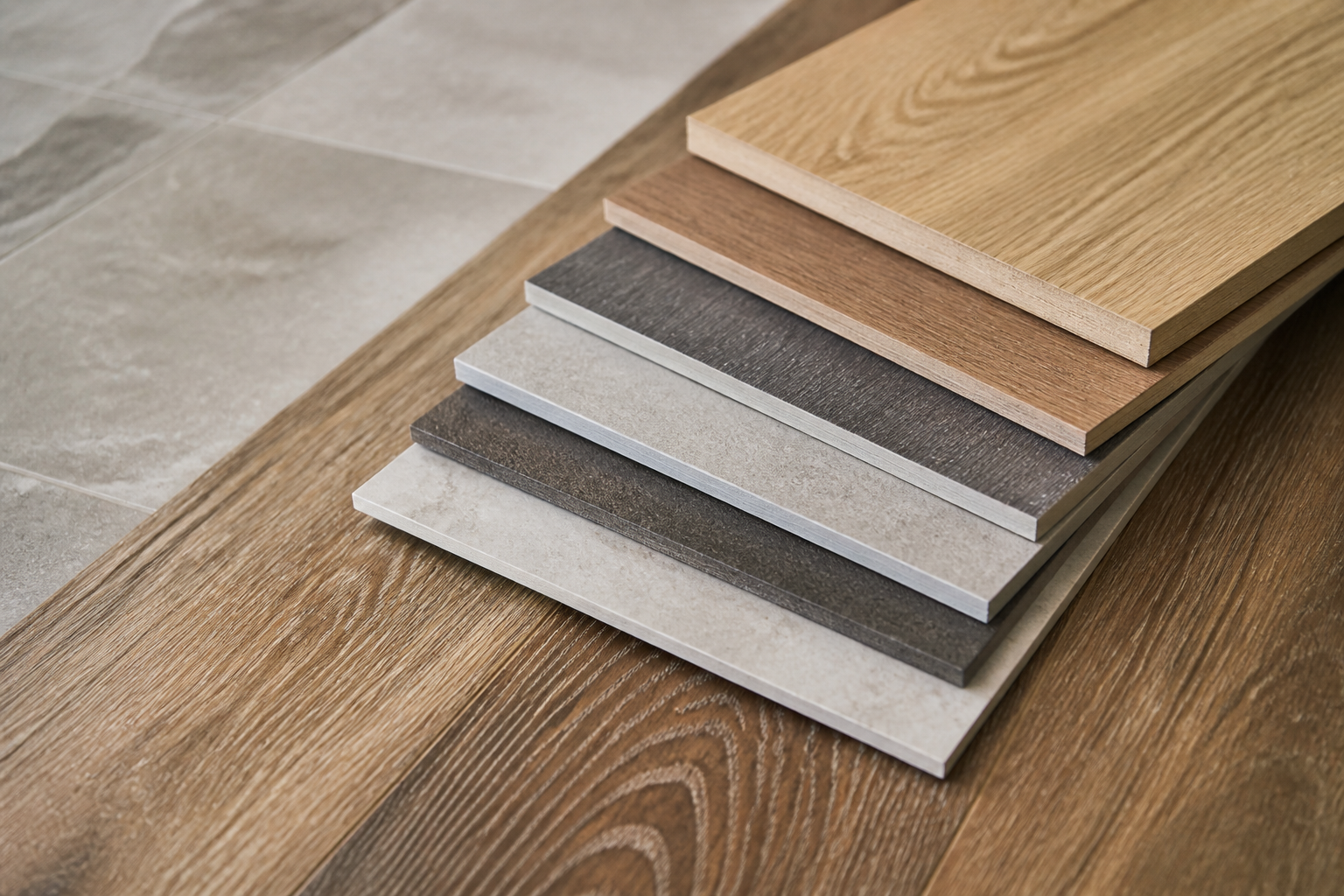
Manufacturer’s Warranty
The manufacturer’s warranty is the most common type of warranty you will encounter when purchasing flooring. This warranty typically covers defects in materials and workmanship. It focuses on the quality of the flooring product itself, rather than the installation process.
For example, a hardwood floor warranty may cover issues such as warping or splitting that are not due to wear and tear. Always check the duration of this warranty, as it can range from a few years to a lifetime, depending on the material and brand.
Installation Warranty
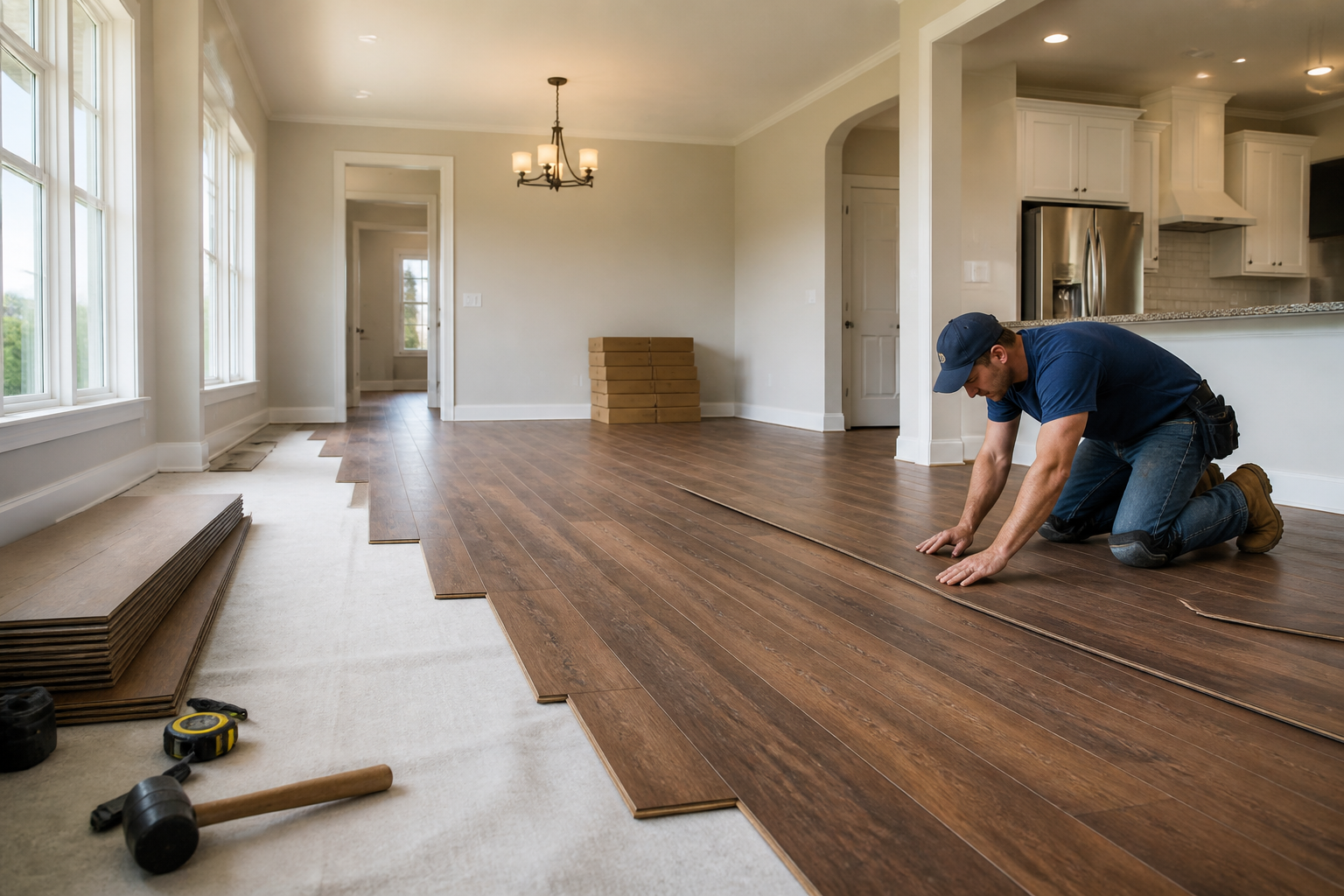
An installation warranty covers the work done by the flooring installer. This is crucial for ensuring that your flooring is laid down correctly and adheres to industry standards. In Jacksonville, reputable companies like Jack’s Builders Construction offer this type of warranty.
A tile installation warranty in Jacksonville might cover aspects like proper adhesion and alignment, ensuring that your tiles remain in place and do not crack due to improper installation techniques.
Wear Warranty
Wear warranties are particularly important for high-traffic areas in your home. They guarantee that your flooring will not wear through to the backing or substrate under normal residential conditions.
This type of warranty is common with laminate flooring products, offering a laminate flooring guarantee against fading, staining, and wear. It’s essential to understand the specific conditions and limitations of this warranty to ensure you maintain its validity.
Common Exclusions in Flooring Warranties
Moisture Damage
Moisture is a common enemy of many flooring types, particularly hardwood and laminate. Most warranties do not cover damage caused by excessive moisture or water exposure, such as flooding or leaks.
To prevent moisture-related issues, consider using moisture barriers or selecting flooring materials that are more resistant to water, such as certain types of tile or luxury vinyl.
Improper Maintenance
Warranties often exclude damage resulting from neglect or improper maintenance. This includes using harsh chemicals or neglecting regular cleaning and care guidelines.
Following flooring protection tips provided by experts can help maintain the integrity of your flooring and keep your warranty valid.
Normal Wear and Tear
Normal wear and tear is typically not covered by warranties. This refers to the gradual deterioration of the flooring surface due to daily use over time.
Understanding this limitation helps set realistic expectations about the lifespan of your flooring and the need for eventual replacement or refinishing.
How to Maximize Your Flooring Warranty
Proper Installation
Ensuring your flooring is installed correctly is the first step in maximizing your warranty. Hiring licensed and insured professionals, such as those at Jack’s Builders Construction, guarantees that your installation meets industry standards.
Correct installation not only prevents early wear but also preserves the validity of both the installation and manufacturer’s warranties.
Regular Maintenance
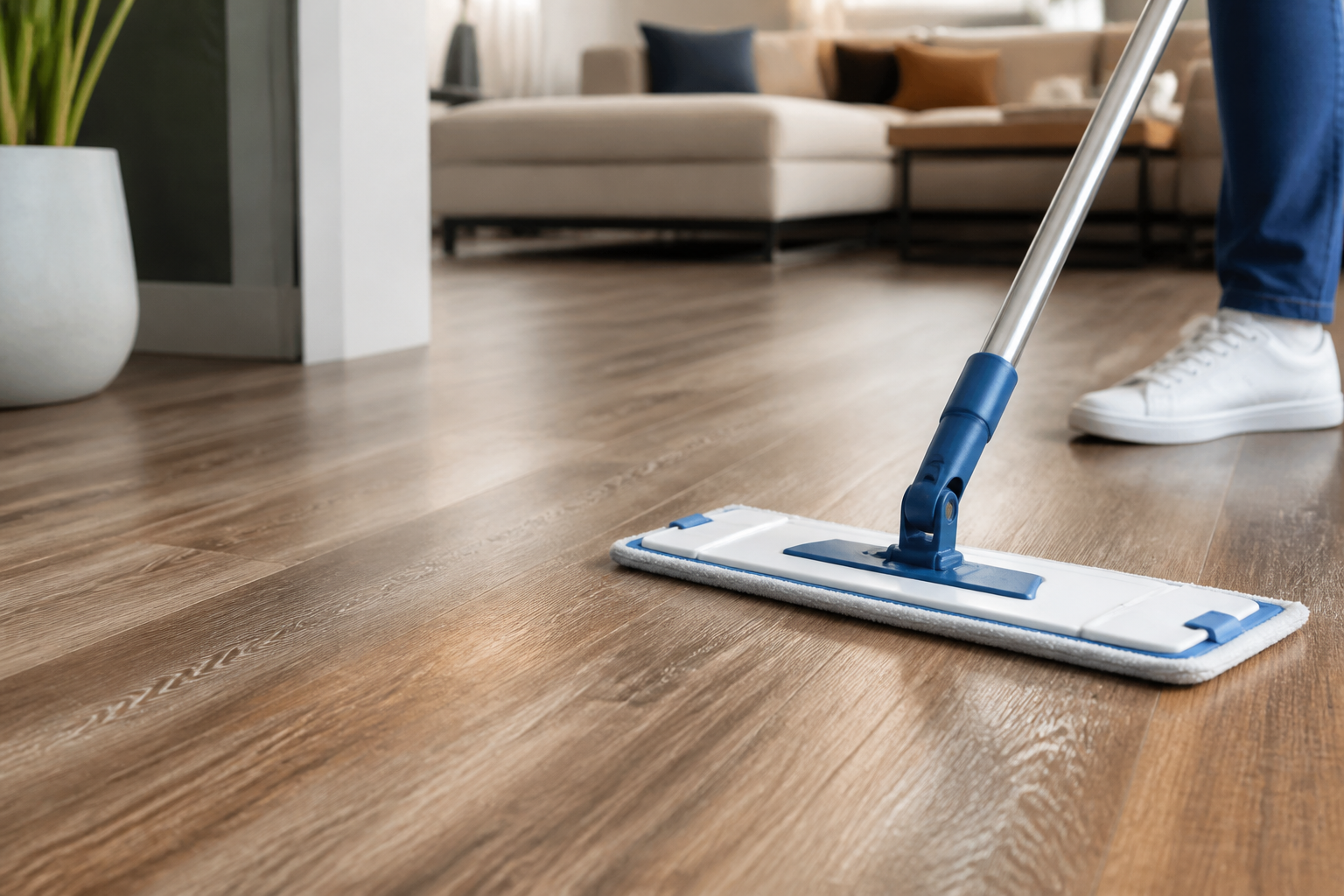
Adhering to recommended maintenance practices is key to keeping your warranty intact. Use appropriate cleaning products and techniques for your specific flooring type.
- For hardwood, avoid excessive water and use cleaners designed for wood.
- For tile, ensure grout lines are sealed and clean.
- For laminate, use dry mops and avoid abrasive materials.
Document Everything
Keep detailed records of your purchase, installation, and maintenance activities. This documentation will be invaluable if you ever need to file a warranty claim.
Include receipts, invoices, and a log of maintenance activities, such as professional cleanings or inspections.
How to File a Warranty Claim
- Step 1: Review your warranty documentation to understand the coverage and exclusions. This will guide your expectations and clarify what issues may be covered.
- Step 2: Contact the retailer or installer from whom you purchased the flooring. They can provide initial guidance and may assist in the claim process.
- Step 3: Gather all necessary documentation, including proof of purchase, installation details, and maintenance records, to support your claim.
- Step 4: Submit your claim with detailed descriptions and photographs of the issue. Be clear and concise to expedite the process.
- Step 5: Follow up regularly with the manufacturer or installer to track the progress of your claim and ensure timely resolution.

Frequently Asked Questions
What is the typical duration of a flooring warranty?
The duration of a flooring warranty can vary widely. Hardwood floor warranties often range from 5 to 25 years. Tile and laminate may have shorter periods, typically from 5 to 15 years. Always check the specific terms provided by the manufacturer.
Do all flooring products come with a warranty?
Not all flooring products come with a warranty. Generally, reputable manufacturers and installers provide warranties as a sign of quality assurance. Always inquire about warranty options before purchasing any flooring material.
Can I transfer my flooring warranty if I sell my home?
Some flooring warranties are transferable, which can be a selling point for your home. However, this is not universal. Check the specific terms of your warranty to see if it can be transferred to the new homeowner.
What should I do if my warranty claim is denied?
If your warranty claim is denied, review the denial reasons and double-check your documentation. You can appeal the decision or seek advice from consumer protection agencies like the Better Business Bureau (bbb.org) for further assistance.
How do I ensure my laminate flooring guarantee remains valid?
To keep your laminate flooring guarantee valid, follow the manufacturer’s maintenance guidelines, avoid excess moisture, and address any flooring issues promptly. Keep all purchase and installation records as proof of compliance.
Conclusion
Understanding flooring warranties is essential for Jacksonville homeowners looking to protect their flooring investment. By knowing what your warranty covers and what it excludes, you can make informed decisions and avoid pitfalls.
I encourage you to connect with professionals like those at Jack’s Builders Construction for a free flooring estimate and expert advice on selecting and maintaining your floors. Your peace of mind starts with knowledge and trusted partnerships.