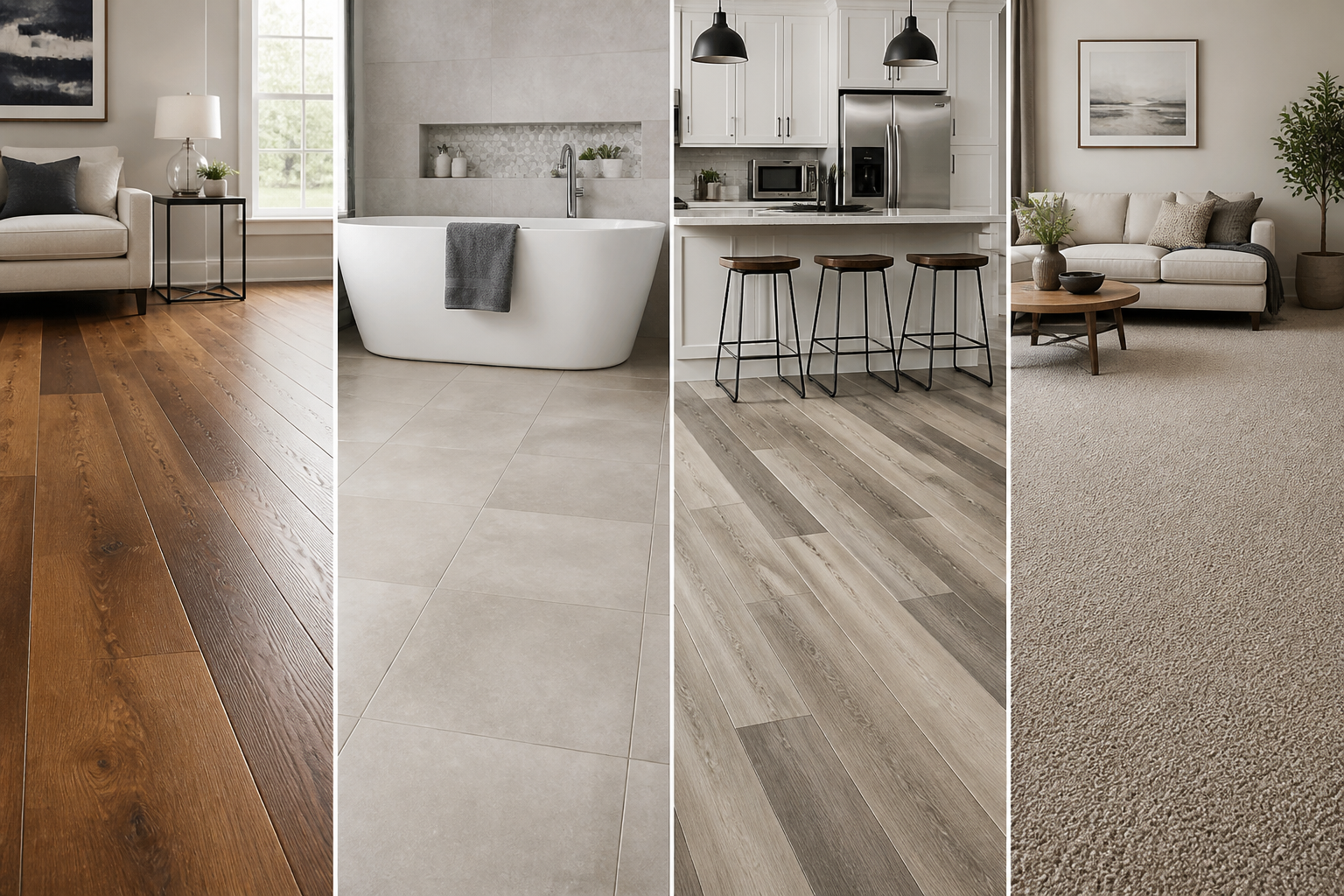
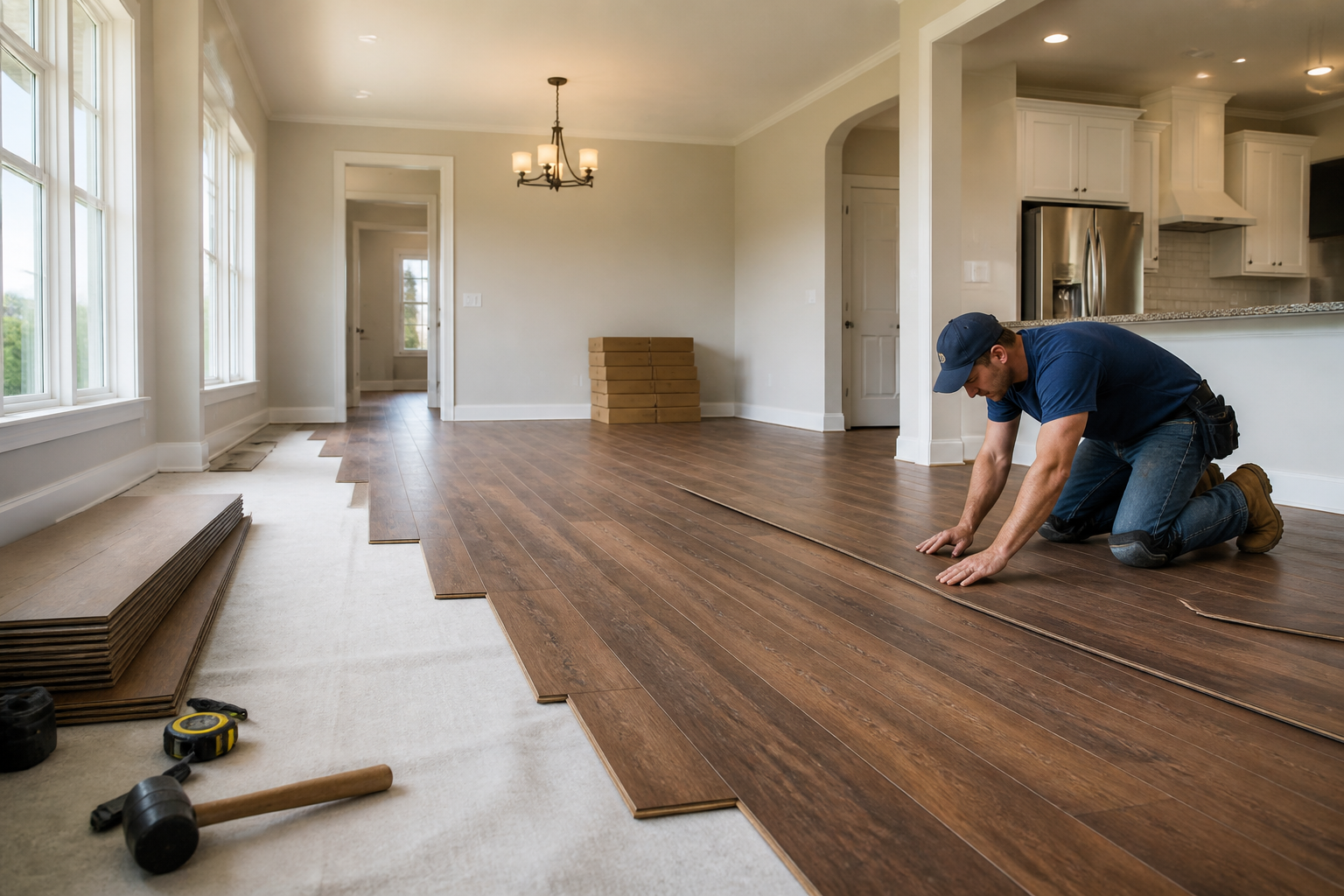
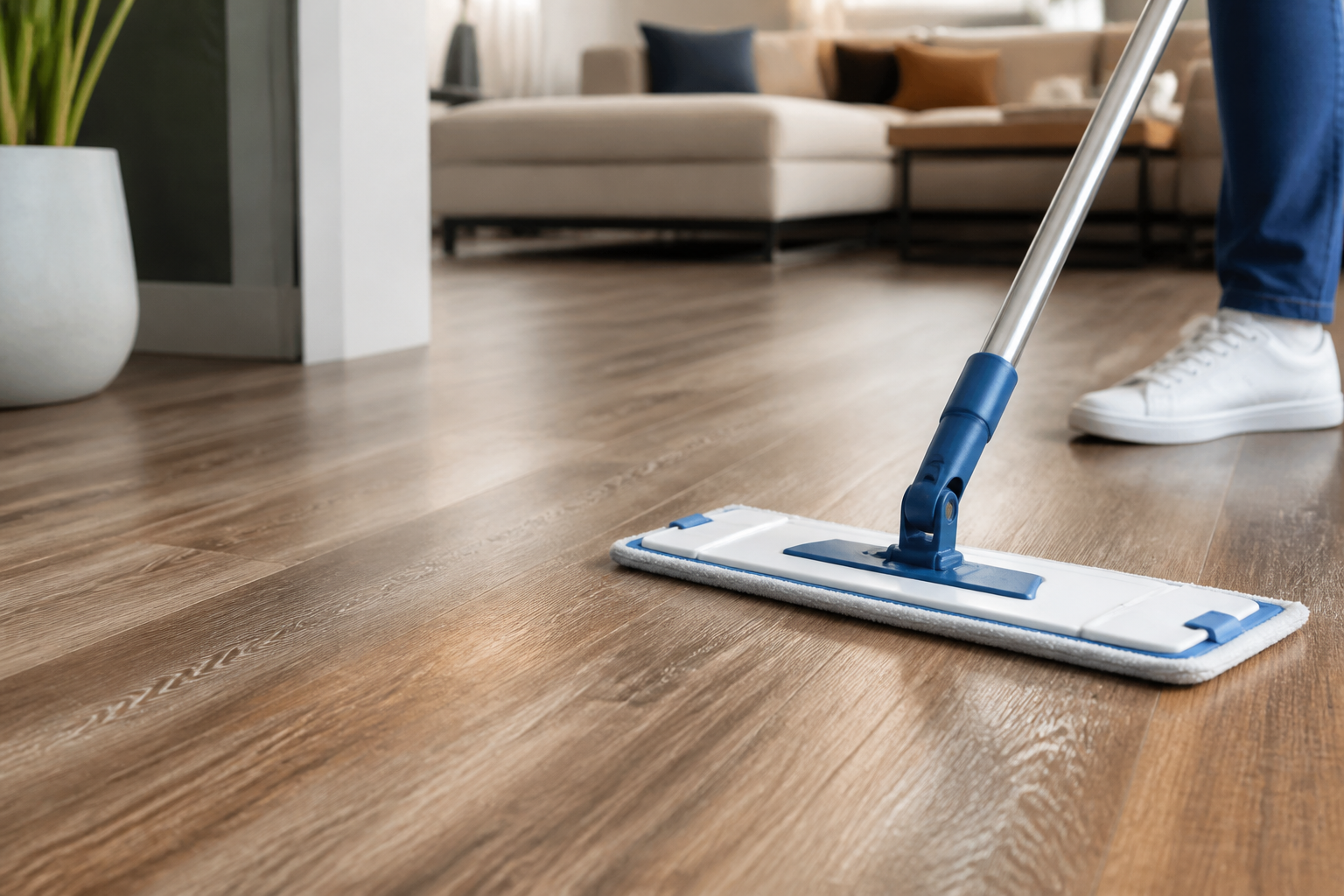
Comparing Flooring Materials: Hardwood, Tile, Vinyl & Carpet for Your Home
Introduction
Choosing the right flooring material is a critical decision for homeowners, impacting both aesthetics and functionality. With options like hardwood, tile, vinyl, and carpet, the choice can be overwhelming. This article aims to demystify these popular flooring materials, helping you make an informed decision for your Jacksonville, FL home.
Each flooring type offers unique benefits and drawbacks, making them suitable for different applications. By understanding these differences, you can select the best flooring type for your home, tailored to your specific needs and lifestyle.
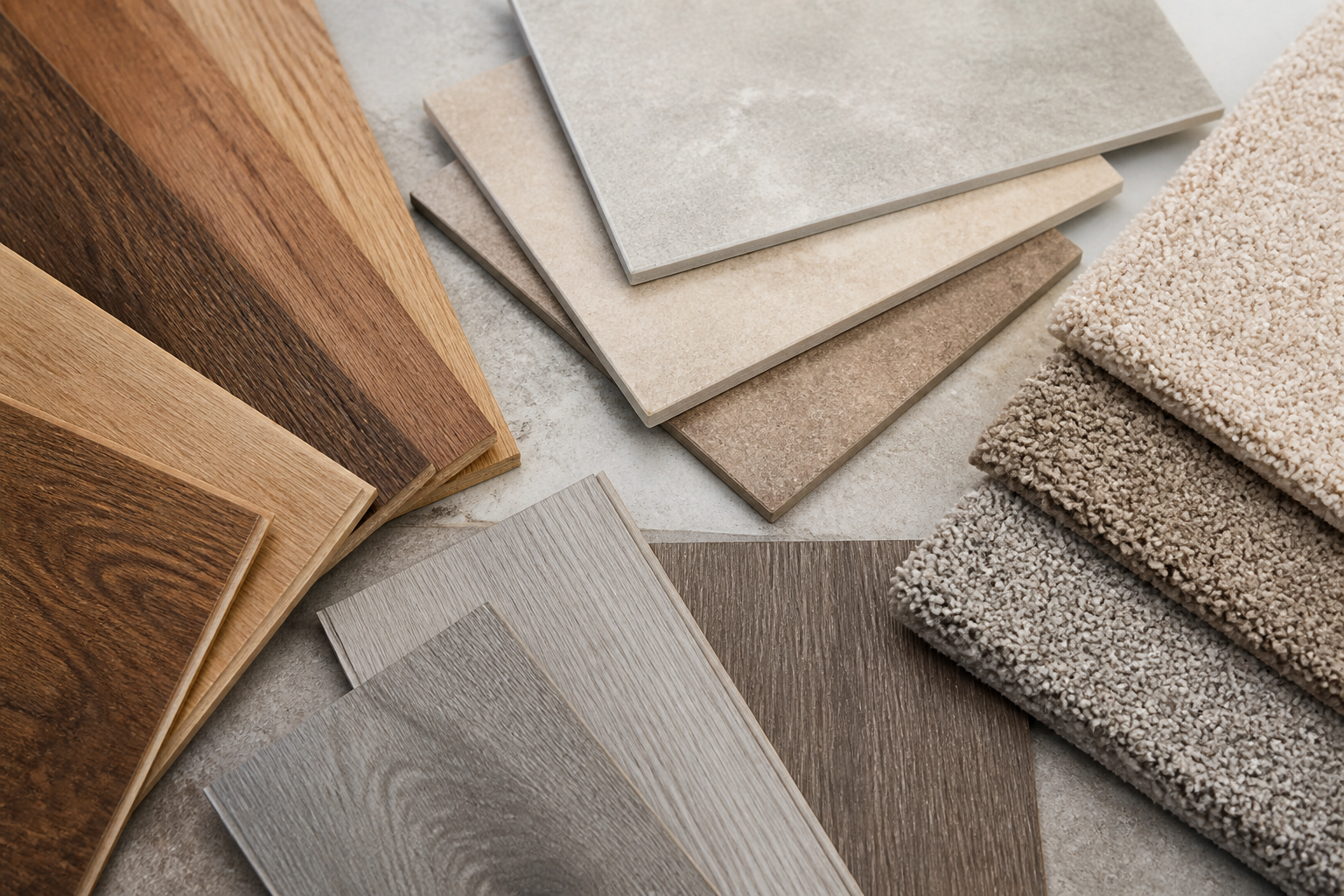
Understanding Hardwood Flooring
Characteristics of Hardwood
Hardwood flooring is celebrated for its classic beauty and longevity. Made from natural wood, it offers a warm, inviting appearance that can enhance any room. Hardwood comes in a variety of species, each with distinct grain patterns and colors.
This flooring type is known for its durability and can last for decades with proper care. It’s also easy to clean and maintain. However, it’s important to note that hardwood can be susceptible to scratches and moisture damage.
Pros and Cons of Hardwood
The primary advantage of hardwood is its aesthetic appeal and potential to increase home value. It offers a timeless look that complements various interior styles. However, it can be more expensive than other flooring options, both in terms of material and installation costs.
On the downside, hardwood is not ideal for moisture-prone areas like bathrooms or basements. It may require refinishing over time to maintain its appearance, which is an additional cost to consider.
Best Applications for Hardwood
Hardwood flooring is best suited for living rooms, dining areas, and bedrooms where its beauty can be showcased. It’s a great choice for homeowners who prioritize long-term value and are willing to invest in maintenance.
For those considering this option, understanding the industry standards set by the National Wood Flooring Association can ensure a quality installation.
Exploring Tile Flooring
Characteristics of Tile
Tile flooring is a versatile option available in ceramic and porcelain varieties. Known for its durability and water resistance, tile is a popular choice in kitchens and bathrooms. It comes in numerous designs, allowing for creative patterns and layouts.
Unlike hardwood, tile is highly resistant to scratches and stains, making it ideal for high-traffic areas. It’s also easy to clean, requiring minimal maintenance beyond regular mopping.
Pros and Cons of Tile
Tile flooring offers several benefits, including its durability and moisture resistance. It’s an excellent choice for areas exposed to water, such as bathrooms and kitchens. However, tile can be cold underfoot and may require additional heating solutions in cooler climates.
One potential drawback of tile is its hardness, which may not be comfortable for long periods of standing. Additionally, installation can be labor-intensive and costly.
Best Applications for Tile
Tile is ideal for bathrooms, kitchens, and entryways, where water exposure is common. Its durability makes it a great option for households with pets or children. For quality assurance, refer to guidelines from the National Tile Contractors Association.
Vinyl and Laminate: The Modern Alternatives
Characteristics of Vinyl
Vinyl flooring is a synthetic option that offers flexibility in design and application. It’s available in planks, tiles, or sheets, mimicking the look of hardwood or stone at a fraction of the cost. Vinyl is waterproof, making it suitable for all areas of the home.
Its durability and ease of maintenance add to its appeal, especially for busy households. Vinyl provides a softer surface compared to tile, offering more comfort underfoot.
Pros and Cons of Vinyl
Vinyl flooring is cost-effective and easy to install, often used in DIY projects. It’s highly resistant to moisture and stains, which is ideal for kitchens and bathrooms. However, it can be less durable than tile or hardwood, especially in high-traffic areas.
While vinyl offers variety in appearance, it may not increase home value like hardwood. Over time, it can show signs of wear and may need replacement sooner than other materials.
Best Applications for Vinyl
Consider vinyl flooring for bathrooms, kitchens, and basements where moisture is a concern. It’s also a practical choice for rental properties due to its affordability and ease of replacement. For more insights, check out our Flooring Tips and Insights.
Delving into Carpet Flooring
Characteristics of Carpet
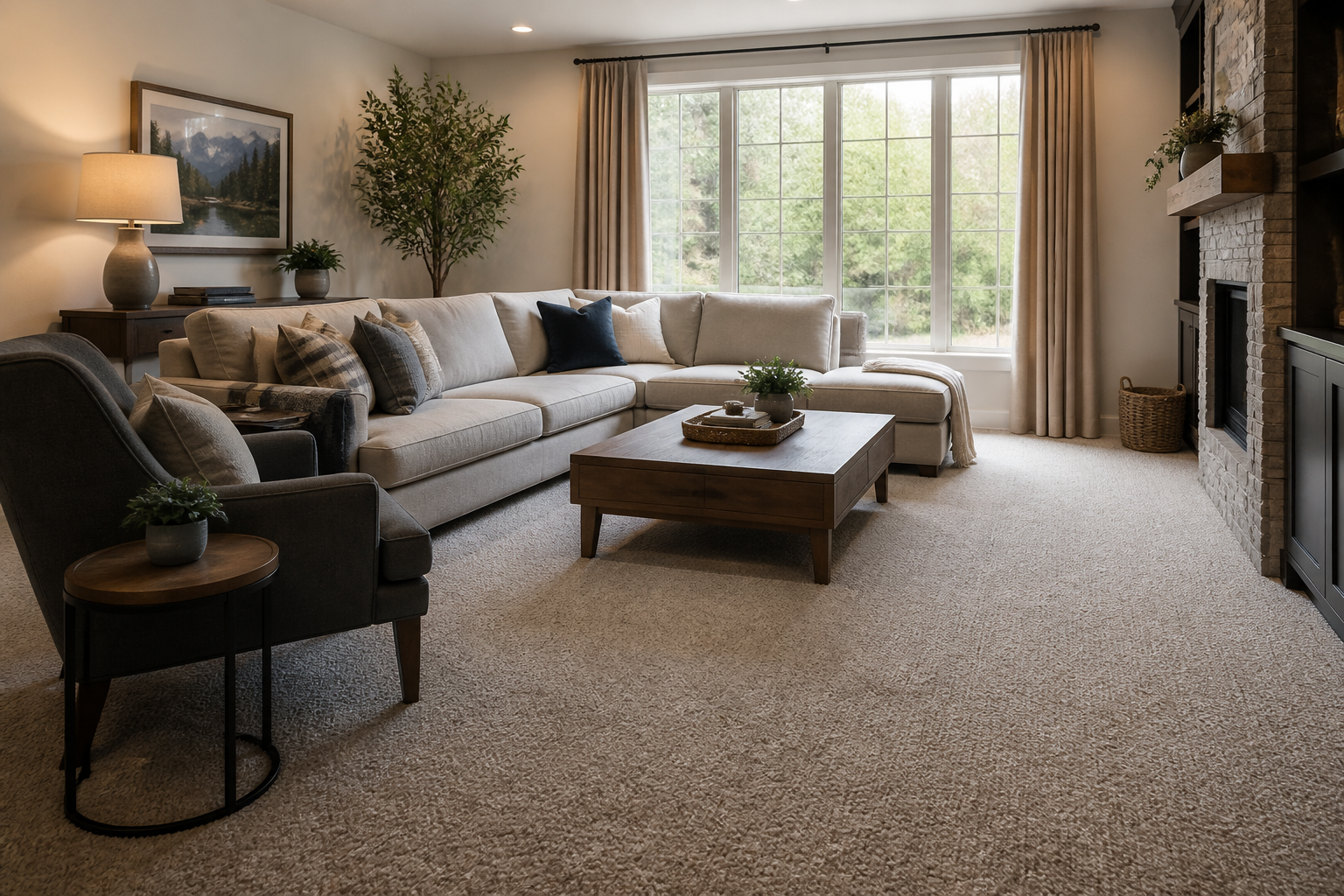
Carpet is a traditional flooring choice known for its comfort and warmth. Available in various colors, textures, and materials, carpet can add a cozy touch to any room. It’s particularly favored in bedrooms and living areas.
Carpet provides sound insulation and a soft surface, making it ideal for households with young children. However, it requires regular cleaning to maintain its appearance and hygiene.
Pros and Cons of Carpet
One of the main advantages of carpet is its comfort and ability to reduce noise. It’s also less expensive to install compared to hardwood or tile. However, carpet can trap dust and allergens, which may not be suitable for allergy sufferers.
Carpet is not recommended for moisture-prone areas, as it can harbor mold and mildew. Stains can also be difficult to remove, requiring professional cleaning services.
Best Applications for Carpet
Carpet is best used in low-traffic areas like bedrooms and family rooms where comfort is a priority. It’s a popular choice for homes with children due to its cushioning effect. For a detailed installation guide, visit our page on The Flooring Installation Process.
How to Choose the Best Flooring for Your Home
Assessing Your Needs
Choosing the best flooring type for your home involves understanding your specific needs and circumstances. Consider the room’s function, foot traffic, and potential exposure to moisture. This will help narrow down the suitable options.
For instance, if you have pets, durability might be a priority. Conversely, if comfort is crucial, you might lean towards softer options like carpet.
Considering Budget and Maintenance
Budget is a significant factor in any home renovation. Compare the initial costs of materials with long-term maintenance expenses. While some options may be cheaper upfront, they might require more frequent replacement or care.
For expert advice and estimates, consider reaching out for a Free Flooring Estimate.
Step-by-Step Selection Process
- Step 1: Define the purpose and usage of each room.
- Step 2: Set a realistic budget for your flooring project.
- Step 3: Research different materials and their pros and cons.
- Step 4: Visit showrooms to see options in person.
- Step 5: Consult with professionals to finalize your choice.
Frequently Asked Questions
What is the most durable flooring option?
Tile flooring is considered one of the most durable options due to its hardness and resistance to scratches and moisture. It’s ideal for high-traffic areas and environments exposed to water. For industry standards, consult the National Tile Contractors Association.
Is carpet a good choice for families with pets?
While carpet provides a soft surface, it can trap pet dander and odors, making it less ideal for pet owners. Hard surfaces like tile or vinyl are easier to clean and maintain in homes with pets.
How does hardwood compare to tile in terms of maintenance?
Hardwood requires regular polishing and refinishing to maintain its appearance, while tile needs minimal upkeep beyond regular cleaning. Tile is more water-resistant, making it a better choice for areas prone to moisture.
Can vinyl flooring increase home value?
While vinyl is cost-effective and functional, it typically doesn’t add as much value to a home as hardwood. However, it remains a popular choice for its affordability and versatility in design.
What are the best flooring options for allergy sufferers?
Hard surfaces like hardwood, tile, and vinyl are better for allergy sufferers as they don’t trap dust and allergens like carpet does. Regular cleaning will help maintain a healthier indoor environment.
Conclusion
In conclusion, the choice of flooring material significantly impacts the functionality and aesthetics of your home. Whether you prioritize durability, comfort, or cost, options like hardwood, tile, vinyl, and carpet offer distinct benefits suited for different needs.
For expert advice and professional installation, consider reaching out to Professional Flooring Services by Jack’s Builders Construction. With our experience and commitment to quality, we can help you achieve the perfect flooring solution for your home.